Laila visits Herat and kolba
Laila visits Herat and kolba
Laila's journey to Herat, undertaken after her return from Murree, is a deliberate act of farewell and remembrance. She travels with Tariq and their children to the city where Mariam was born, driven by a need to connect with the physical remnants of her friend's life before the family settles back in Kabul. The trip is a pilgrimage to the source of Mariam's story, a place Laila has only heard described in Mariam's own words.
The Journey to Gul Daman and the Kolba
Leaving her family at the Muwaffaq Hotel, Laila hires a taxi to take her to Gul Daman, the village on a steep hill two kilometers north of Herat. The driver, a lifelong Herati, shares his own story of loss during the 1979 uprising, a reminder of the pervasive grief that marks every Afghan life. He points out a cemetery with a weather-worn mausoleum, and Laila sees the rusted windmill of Gul Daman. Following directions from a local boy, the taxi stops outside a walled house. There, Laila meets Hamza, the russet-haired son of Mullah Faizullah, Mariam's beloved tutor. Hamza, now a middle-aged man with a graying beard, is initially overjoyed at the mention of Mariam, but his smile fades when Laila tells him she has passed on. He leads Laila on foot from the village, down the road, and then up a rough, winding path through tall grass and wildflowers, past a dry streambed, toward a circular grove of weeping willow trees. There, in the clearing, stands Mariam's kolba.
Inside the Kolba: A Confrontation with the Past
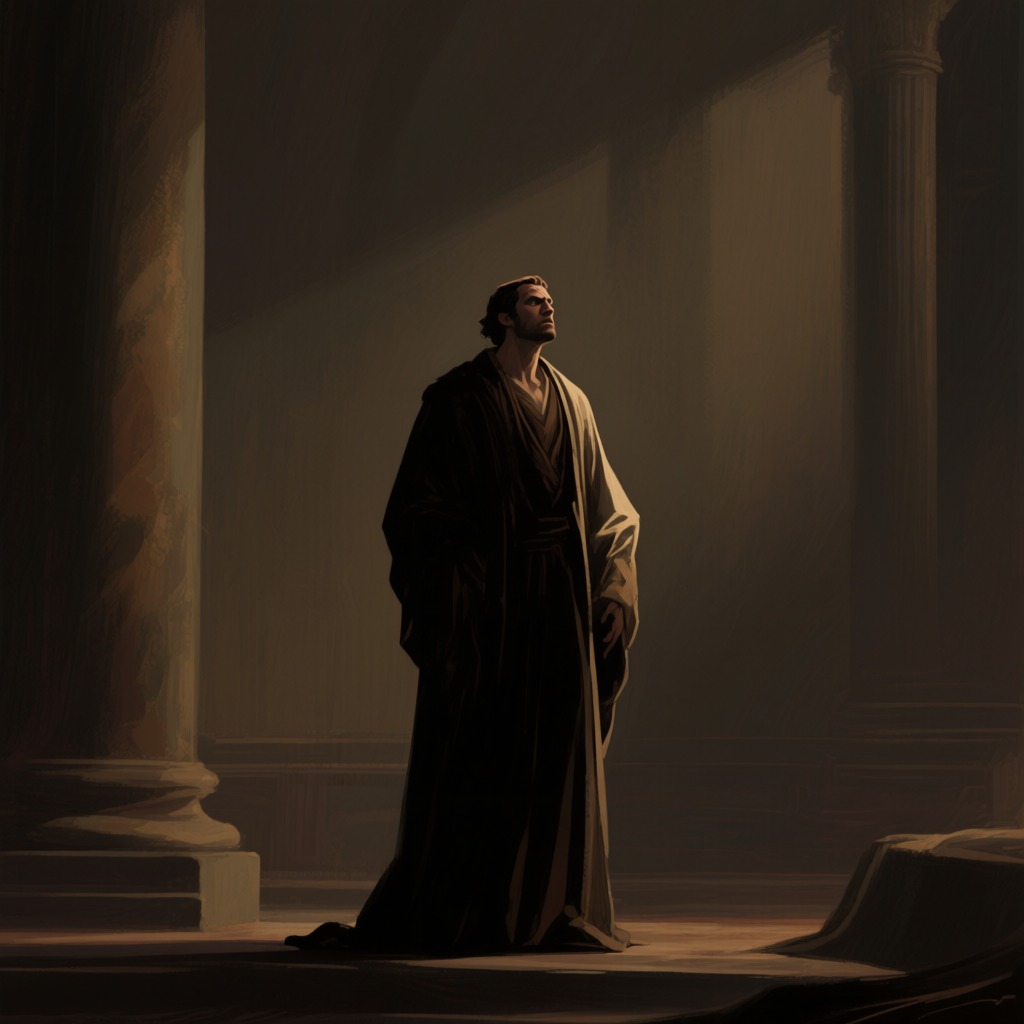
The kolba is a ruin. The door is gone, the lone windowpane is empty, and only half of a single rotting floorboard remains. The interior is carpeted with dry leaves, broken bottles, weeds, and discarded wrappers. Laila sees spiderwebs, a deserted bird's nest, a bat hanging in a corner, and faded Russian graffiti on the wall. She sits down with her back to the wall, listening to the wind in the willows. In this desolate space, she summons Mariam's face with ease: the soft radiance of her gaze, her long chin, her tight-lipped smile. Laila imagines the kolba restored, with sleeping cots, a wooden table, a cast-iron stove, and a young Mariam sitting at the table making a doll. She sees in this young girl the unyielding core that neither Rasheed nor the Taliban would break, the strength that would be her undoing and Laila's salvation. The vision fades, and Laila steps out, saying a final goodbye to the place where Mariam had slept, eaten, dreamed, and held her breath for Jalil.
The Letter and the Inheritance
Back at Hamza's house, he gives Laila an oval-shaped tin box that Jalil had entrusted to Mullah Faizullah a month before his death in 1987. The box, which Hamza and his father had kept unopened for Mariam, contains three items: a videocassette of Walt Disney's Pinocchio, a burlap sack of money, and a handwritten letter. The letter, dated May 13, 1987, is Jalil's final, desperate plea for forgiveness. He confesses his shame and regret for not opening the door when Mariam came to Herat, for letting her live in the kolba for all those years, and for fearing the loss of his good name. He tells her of the deaths of her stepmother Afsoon and sister Niloufar in the 1979 uprising, and of her brother Farhad, killed by the Soviets in 1982. He writes that he dreams of his dead children and of Mariam, and that he has enclosed her share of his inheritance, the money from the sale of his remaining land. He asks for her forgiveness, repeating the word three times, and expresses the hope that she might knock on his door one more time, giving him the chance to open it. Laila reads the letter and weeps, understanding the full weight of the love and remorse that Mariam never knew.
Significance and Closure
Laila's visit to Herat is the final act of her own journey toward healing. By walking the path Mariam walked, by seeing the kolba where her friend's life was shaped by isolation and longing, and by receiving Jalil's letter, Laila gains a complete, sorrowful understanding of Mariam's past. The letter, with its belated confession and inheritance, provides a form of posthumous justice and closure for Mariam's story, even as it underscores the tragedy of a life lived without it. Laila returns to her family carrying this knowledge, and the memory of Mariam, now fully understood, becomes a permanent, guiding presence in her own life.